Marketing has always been about reaching the right people. But in today’s digital world, that idea has taken on a whole new level of complexity — and possibility. Customers are no longer passive recipients of advertising. They research products before buying, compare options across multiple platforms, and expect brands to speak directly to their needs. If your message feels generic or out of place, they’ll scroll right past it.
This is why effective targeting matters more than ever. It’s not just a marketing tactic — it’s the difference between spending your budget wisely and throwing it into the void. The good news is that modern tools and approaches make it easier than ever to understand your audience and connect with them in meaningful ways.
Start by Knowing Whom You’re Talking To
Before you can target anyone, you need a clear picture of who your ideal customer actually is. This is where buyer personas come in. A buyer persona is essentially a detailed profile of the type of person most likely to buy your product. Think of it less as a spreadsheet of demographics and more as a character sketch of a real human being.
What does this person do for a living? What are they worried about? What does their daily routine look like? When you can answer these questions honestly, you stop writing marketing copy for a faceless crowd and start having a genuine conversation. That shift — from broadcasting to connecting — is what separates forgettable campaigns from ones that actually drive results.
Segmentation: Going Deeper Than Age and Location
Once you understand your audience broadly, the next step is to divide them into smaller, more specific groups. This is called audience segmentation, and it’s become far more sophisticated than it used to be. In the past, marketers relied heavily on basic demographics — age, gender, location. Today, you can go much deeper.
Digital data gives us a window into behavior that simply wasn’t available before. You can see which products someone browsed, how long they spent on a page, what they clicked on, and where they dropped off. A customer who has already purchased from you is fundamentally different from someone visiting your site for the first time — and they deserve a different kind of message.
Beyond behavior, psychographics have become one of the most powerful tools in a marketer’s toolkit. Psychographics look at values, lifestyle choices, and personal interests. Two people of the same age and income might have completely different buying motivations — one might prioritize sustainability, while the other cares mostly about convenience. Understanding why people buy, not just who they are, gives you a real advantage.
Reaching Your Segments: Organic and Paid Strategies
With your segments clearly defined, the next question is how to actually reach them. There are two broad approaches — organic and paid — and the best strategies usually combine both.
Organic targeting is about creating content that naturally draws people in. Blog posts, social media content, and search-optimized articles attract the right audience without paid promotion — as long as the content genuinely addresses what they’re looking for. It takes time to build, but the results tend to be durable.
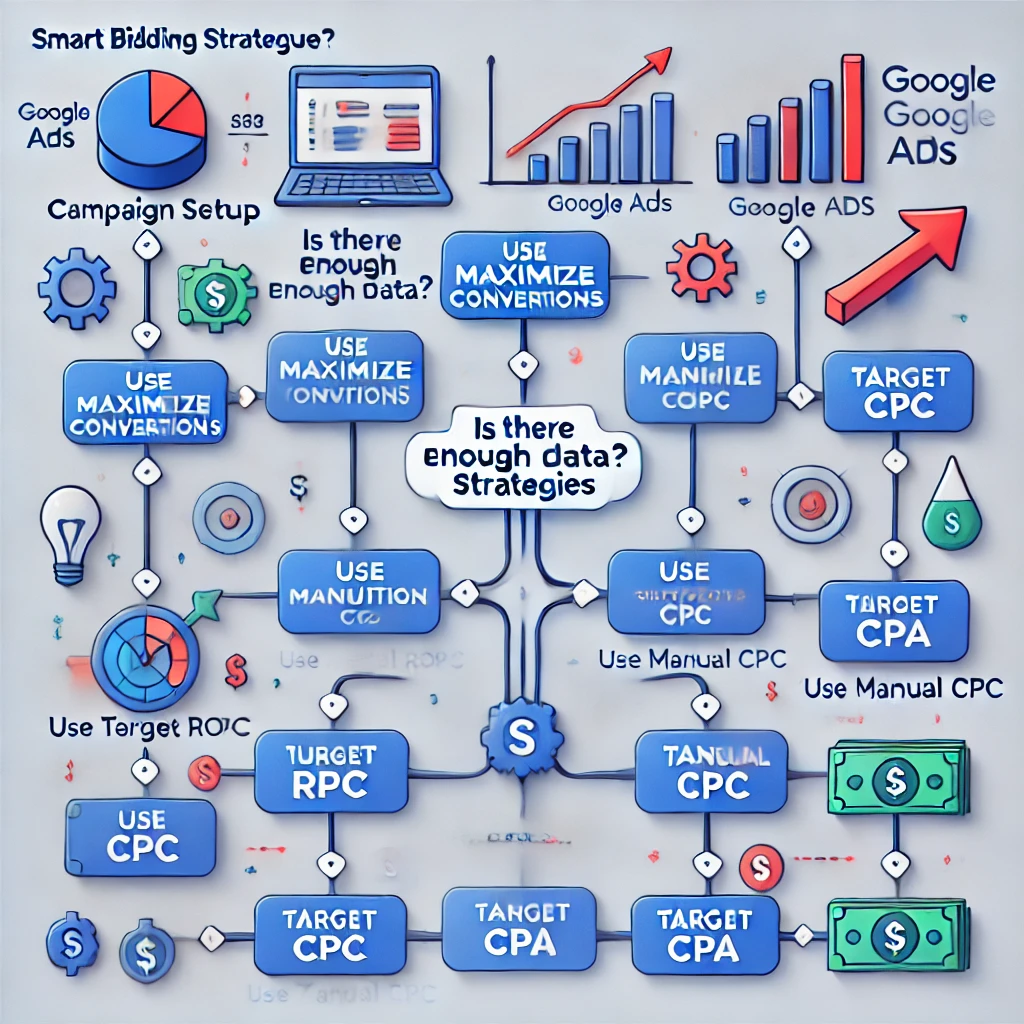
Paid targeting, through platforms like Google Ads or Meta, offers speed and precision. You can target users based on their interests, recent behavior, or even their intent to purchase. Modern advertising platforms use machine learning to continuously refine who sees your ads — meaning the longer your campaigns run, the smarter they get.
The Role of AI — and Its Limits
Artificial intelligence has genuinely transformed how marketers work. It can process enormous datasets, detect patterns invisible to the human eye, and automate decisions that would once take hours. AI-driven tools can adjust ad bids in real time, test dozens of creative variations simultaneously, and predict which users are most likely to convert.
But AI is only as good as the strategy behind it. Technology can optimize delivery, but it can’t replace the human judgment needed to craft a message that genuinely resonates. The most effective marketers use AI as a tool to work faster and smarter, not as a substitute for understanding their audience.
Retargeting: Staying in the Conversation
Most people don’t buy on their first visit to a website. They browse, get distracted, and move on. Retargeting is how you stay in their line of sight. By tracking user behavior, you can show relevant ads to people who’ve already shown interest in your product — reminding them of what they were considering and giving them a reason to come back.
It’s worth noting that retargeting is evolving. Growing privacy concerns and the decline of third-party cookies are pushing marketers toward first-party data — information collected directly from users with their full knowledge and consent. This isn’t just a compliance issue; it’s actually good marketing. Customers who willingly share their preferences are more engaged, and the data you collect is far more accurate.
People Still Want to Feel Like People.
For all the sophistication of modern targeting, there’s a risk of losing sight of something fundamental: customers are human beings, not data points. Heavy-handed personalization — where ads feel intrusive or brands seem to know too much — can actually damage trust. The goal isn’t just to target someone accurately; it’s to make them feel understood.
The brands that do this well create experiences, not just campaigns. Whether it’s an engaging social media challenge, an interactive piece of content, or simply a message that speaks to a real pain point, genuine connection still wins. Data tells you where to show up. Empathy determines whether people actually listen.
In the end, effective customer targeting is a combination of art and science. Know your audience well, use data to reach them where they are, and let technology amplify — not replace — your human insight. When those things come together, marketing stops feeling like advertising and starts feeling like a conversation worth having.