Performance Marketing in D2C Companies
and Its Relevance in Today’s Business World
Particularly in India’s quickly changing industry, the Direct-to-Consumer (D2C) model has fundamentally altered how brands interact with consumers. Businesses increasingly interact directly with consumers via internet channels instead of relying on traditional retail networks. Performance marketing has been a key driver of D2C expansion in this changing environment. It enables companies to accurately monitor the impact of their marketing campaigns and connect each advertising rupee to quantifiable results like clicks, conversions, and real purchases.
Because D2C firms operate in congested markets with limited advertising budgets, performance marketing is especially appealing to them. Performance marketing works on the straightforward tenet of paying only when predetermined objectives are reached, whereas traditional advertising sometimes leaves marketers speculating about results. This strategy makes marketing expenditures more cost-effective and clearly accountable.
Wow Skin Science as an example. Strategic search engine advertising and well-targeted social media initiatives targeted at health-conscious consumers have helped the brand establish its visibility. The team adjusts its advertising strategy to increase engagement and increase conversions by tracking campaign KPIs and consumer behavior trends as they occur.
Bewakoof has carved out a niche among younger consumers through meme-driven marketing and social media engagement. The company uses performance analytics to identify which campaigns spark the most interest and drive actual conversions. This data-informed approach lets them keep refining their tactics and stay relevant with Gen Z audiences.
Another intriguing example from the wearable technology arena is noise. The business makes large investments in digital advertising on Google Ads, YouTube, and Instagram. Their use of retargeting to connect with prospective customers who peruse their website but do not make a purchase is what makes them unique. They have been able to increase sales while controlling client acquisition expense through this strategy.
By combining performance campaigns with content marketing, Plum Goodness adopts a somewhat different approach. The company uses influencer partnerships and targeted digital advertising to promote its line of vegan, eco-friendly skincare products. Plum provides personalized recommendations that strengthen client relationships and foster enduring brand loyalty by analyzing how consumers engage with their material and what preferences they display.
Precision in audience targeting stands out as one of performance marketing’s biggest strengths. D2C brands typically cater to specific consumer segments, and digital platforms enable them to reach users based on age, interests, and online behaviour. Licious, for instance, uses location-based targeting along with personalised deals to connect with urban consumers seeking premium food products. The result is stronger engagement and better conversion rates.
The ability to adjust campaigns in real time is equally valuable. D2C companies depend on digital analytics tools to keep tabs on how their ads perform around the clock. When a campaign falls short of expectations, changes can be implemented immediately. This agility matters enormously in today’s fast-moving digital marketplace and helps brands respond swiftly to shifting customer needs.
Scalability adds another dimension to performance marketing’s appeal. Once a campaign demonstrates success, expanding it becomes straightforward whether through increased budget allocation or broader audience targeting. This flexibility proves especially useful for startups and emerging brands looking to accelerate growth in competitive markets.
That said, performance marketing comes with its own set of hurdles. Intensifying competition has driven up advertising costs on platforms like Meta and Google. Meanwhile, tighter data privacy rules and the phase-out of third-party cookies have complicated audience targeting. Brands must keep innovating their marketing approaches to stay effective.
The growing importance of performance marketing reflects broader shifts in consumer behaviour. As more people shop online, businesses need marketing methods that are measurable and efficient. Performance marketing delivers transparency, accountability, and smarter use of marketing resources.
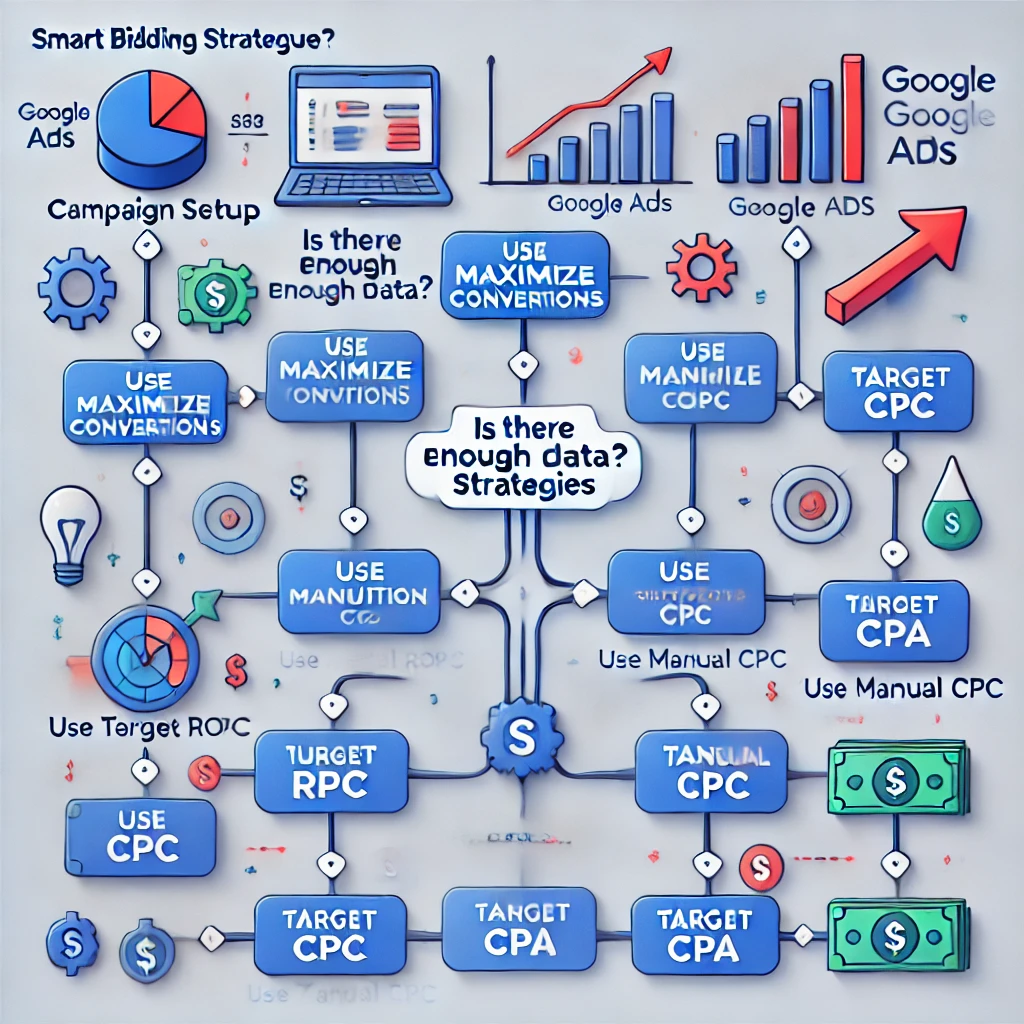
Recent developments in artificial intelligence and machine learning have added new capabilities to performance marketing. Automated bidding systems, predictive targeting, and personalised advertising now help improve campaign results. D2C companies can thus maximise their return on investment while enhancing the overall customer experience.
Conclusion
Performance marketing is now essential to the growth and profitability of contemporary D2C businesses. It enables brands to successfully compete in the digital market by focusing on quantifiable outcomes, precise targeting, and continuous improvement. Wow Skin Science, Noise, Plum Goodness, Bewakoof, and Licious’ experiences provide as examples of how performance marketing fosters long-term expansion and significant client interaction. Understanding this idea is essential for management students because it shows where marketing is going in a company climate that is becoming more and more reliant on technology.