Introduction
Search Engine Optimization (SEO) has evolved dramatically over the past decade, and at the center of this transformation lies Artificial Intelligence (AI). Once dominated by keyword stuffing and backlink strategies, SEO has now become a highly intelligent, user-focused discipline. AI is not just a supporting tool anymore—it is fundamentally reshaping how search engines work and how businesses optimize their digital presence.
From smarter algorithms to automated content creation, AI is making SEO more efficient, data-driven, and personalized. In this blog, we will explore how AI is transforming SEO, its benefits, challenges, and what the future holds.
Understanding AI in Search Engine Optimization
Artificial Intelligence in SEO refers to the use of machine learning algorithms, natural language processing (NLP), and data analytics to improve search engine rankings and user experience. Search engines use AI to understand search intent, analyze content quality, and deliver relevant results to users.
For example, modern search engines can interpret complex queries, understand context, and even detect the tone of content. This means that SEO strategies must go beyond traditional techniques and focus more on delivering value to users.
How AI is Transforming Search Engine Optimization
1. Smarter Search Algorithms
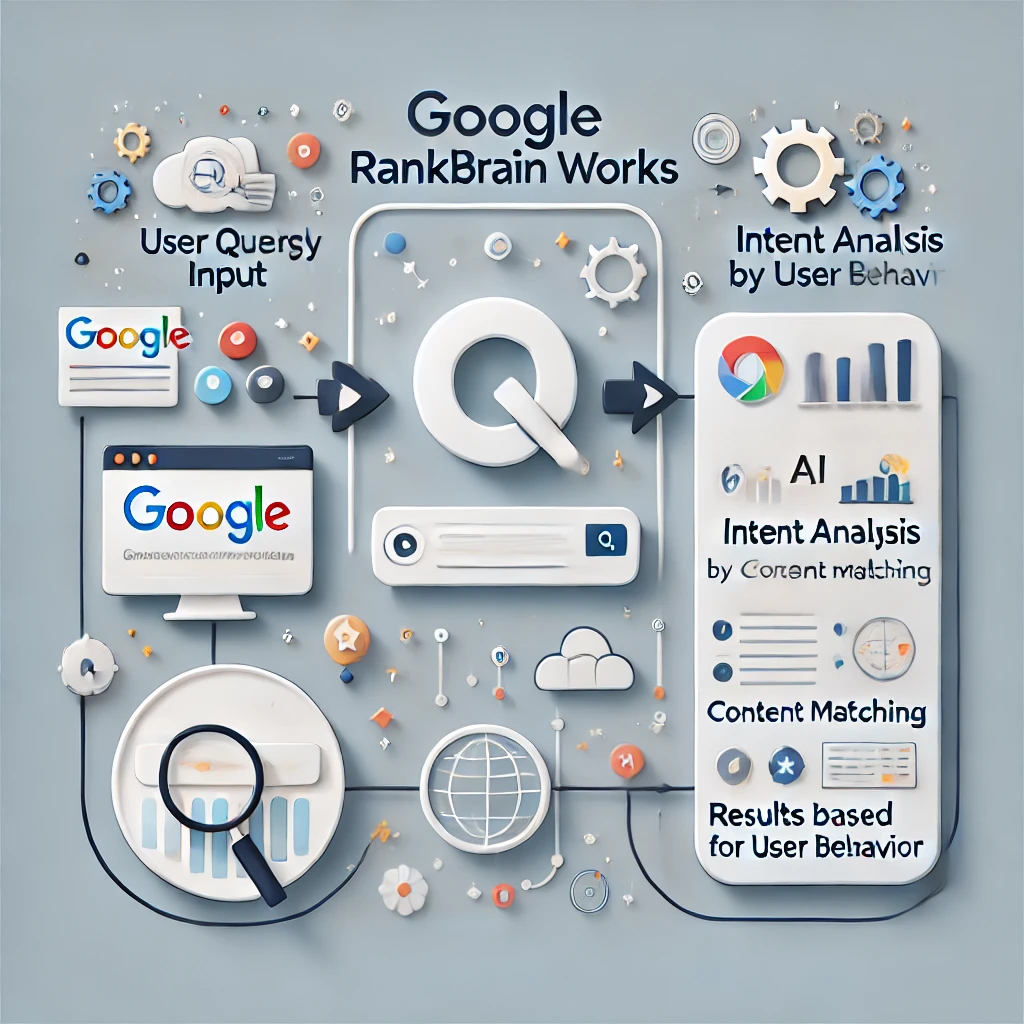
Search engines have become significantly more intelligent due to AI. Instead of relying solely on keywords, they now focus on user intent. AI helps search engines understand what users are actually looking for, even if their queries are vague or conversational.
This shift means that content creators must focus on creating meaningful, high-quality content that answers user queries effectively rather than simply targeting specific keywords.
2. AI-Powered Content Creation
One of the most significant impacts of AI on SEO is in content creation. AI tools can generate blog topics, suggest keywords, and even write entire articles. They analyze high-performing content and recommend improvements in readability, tone, and structure.
However, while AI can assist in content creation, human input remains essential. Creativity, storytelling, and emotional connection are aspects that AI cannot fully replicate. The best results come from combining AI efficiency with human creativity.
3. Voice Search Optimization
With the increasing use of voice assistants, voice search has become a crucial aspect of SEO. AI plays a major role in understanding spoken language, which is typically more conversational than typed queries.
This has led to a shift in SEO strategies. Businesses now need to optimize their content for long-tail keywords and question-based queries. For example, instead of targeting “best restaurants,” content should focus on queries like “What are the best restaurants near me?”
4. Predictive Analysis and Trend Forecasting
AI enables marketers to predict future trends by analyzing past data and user behavior. This helps businesses stay ahead of the competition by creating content that aligns with upcoming trends.
Predictive analytics can identify which keywords are likely to gain popularity, what type of content will perform best, and how user behavior may change over time. This allows marketers to make data-driven decisions rather than relying on guesswork.
5. Personalization of User Experience
AI allows search engines to deliver highly personalized results based on factors such as location, browsing history, and user preferences. This means that no two users may see the same search results for the same query.
For businesses, this creates both an opportunity and a challenge. SEO strategies must now cater to specific audience segments and focus on delivering personalized content that meets individual user needs.
6. Automation of Search Engine Optimization Tasks
AI has made it possible to automate many repetitive SEO tasks, such as:
Keyword research
Site audits
Rank tracking
Performance analysis
Automation not only saves time but also improves accuracy. SEO professionals can now focus more on strategy and creativity rather than manual tasks.
7. Improved User Experience (UX)
User experience has become a critical ranking factor, and AI plays a significant role in enhancing it. AI tools can analyze user behavior, such as bounce rates, click-through rates, and time spent on a page, to determine how users interact with content.
Based on this data, businesses can optimize their websites to improve usability, loading speed, and overall user satisfaction.
Benefits of AI in Search Engine Optimization
The integration of AI into SEO offers several advantages:
Efficiency: Automates time-consuming tasks
Accuracy: Reduces human error in data analysis
Scalability: Handles large volumes of data effortlessly
Better insights: Provides actionable recommendations
Improved rankings: Enhances content quality and relevance
These benefits make AI an indispensable tool for modern SEO strategies.
Challenges of AI in Search Engine optimization
Despite its advantages, AI also presents certain challenges:
1. Over-Reliance on Automation
Excessive dependence on AI tools can lead to generic content that lacks originality. Businesses must ensure that human creativity remains a core part of their strategy.
2. Constant Algorithm Updates
Search engine algorithms are continuously evolving, making it difficult for marketers to keep up. What works today may not work tomorrow.
3. Ethical Concerns
AI-generated content raises questions about authenticity and transparency. There is also a risk of misinformation if AI tools are not used responsibly.
4. High Competition
As AI tools become more accessible, competition in Search Engine Optimization is increasing. Businesses must find innovative ways to stand out.
The Future of AI in Search Engine Optimization
The future of SEO will be heavily influenced by advancements in AI. Some key trends to watch include:
Hyper-personalization: More tailored search results for users
Visual search: Increased use of image-based queries
Voice and conversational AI: Growth of voice search optimization
AI-driven analytics: Deeper insights into user behavior
Search intent evolution: Even more accurate understanding of user needs
As AI continues to evolve, SEO will become more dynamic and user-centric.