Category Archives: Blog

Your blog category

The Critical Role of UI and UX in Digital Marketing

In today’s hyper-connected digital landscape, where attention spans are dwindling and competition is fierce, businesses must leverage every tool available to capture and retain customer interest. Among these tools, User Interface (UI) and User Experience (UX) design stand out as critical elements that directly influence the effectiveness of digital marketing strategies. This comprehensive examination delves into the technical aspects of UI and UX, illustrating their significance in digital marketing through data, methodologies, and case studies.

Understanding UI and UX

What is User Interface (UI)?

User Interface (UI) encompasses all the visual elements that users interact with on a digital platform. This includes layout, colors, fonts, buttons, icons, and images. The primary goal of UI design is to create an aesthetically pleasing interface that facilitates usability and enhances user interaction.

Key Components of UI

  1. Visual Design: The use of color schemes, typography, and imagery to create an attractive interface.
  2. Interactivity: Elements such as buttons, sliders, and form fields that users interact with.
  3. Information Architecture: The organization and structure of content on a website or application to facilitate easy navigation.
  4. Responsiveness: Ensuring that UI elements function well across a variety of devices and screen sizes.

What is User Experience (UX)?

User Experience (UX) refers to the overall experience a user has while interacting with a product or service, encompassing all aspects of the end-user’s interaction with the company, its services, and its products. UX design focuses on creating a meaningful and relevant experience for users through usability, accessibility, and pleasure.

Key Components of UX

  1. Usability: How easy and intuitive it is for users to accomplish their tasks on a digital platform.
  2. User Research: Gathering insights about user needs and behaviors through methods like surveys, interviews, and usability testing.
  3. User Journey Mapping: Visualizing the steps a user takes to achieve their goals, identifying pain points and opportunities for improvement.
  4. Accessibility: Ensuring that digital products are usable by people with various disabilities and challenges.

The Interplay Between UI and UX

While UI and UX are distinct components, they are intricately linked. A beautifully designed UI can enhance UX, while a poorly designed UI can ruin an otherwise great user experience. Consider the following interactions:

  • A button that is visually appealing but poorly placed may confuse users, detracting from their overall experience.
  • Conversely, a well-structured layout that emphasizes usability can enhance the aesthetic value of the interface.

The Importance of Research in UI/UX

Both UI and UX rely heavily on research to inform design decisions. Understanding user behavior, preferences, and pain points can lead to more effective design strategies.

  1. User Testing: Conducting usability tests to observe how real users interact with a product helps identify areas of improvement.
  2. A/B Testing: Comparing two versions of a webpage to see which performs better can inform design choices.
  3. Analytics: Utilizing tools like Google Analytics can provide insights into user behavior, including bounce rates, session duration, and conversion paths.

The Impact of UI/UX on Digital Marketing

1. Enhanced Conversion Rates

Conversion rate optimization (CRO) is a critical aspect of digital marketing, and UI/UX plays a fundamental role. Conversion rates measure the percentage of users who complete a desired action, such as filling out a form, signing up for a newsletter, or making a purchase. According to Unbounce, even a small increase in conversion rates can lead to substantial revenue growth.

Key Strategies for Improving Conversion Rates

  • Clear Call-to-Actions (CTAs): UI should include prominent and compelling CTAs that guide users towards desired actions. For example, using contrasting colors for buttons can make them stand out.
  • Simplified Forms: UX design should prioritize form fields that are easy to complete. Reducing the number of required fields can significantly decrease form abandonment rates. HubSpot found that reducing the number of form fields from 5 to 3 increased conversions by 50%.
  • Trust Signals: Incorporating elements like customer testimonials, reviews, and security badges within the UI can enhance credibility and encourage users to convert.

2. Reduced Bounce Rates

Bounce rate is a crucial metric that indicates the percentage of visitors who leave a site after viewing only one page. A high bounce rate can signal poor user experience, which can significantly impact a website’s SEO ranking.

Techniques to Lower Bounce Rates

  • Fast Loading Times: According to Google, 53% of mobile users abandon sites that take longer than three seconds to load. Optimizing images, leveraging browser caching, and minimizing HTTP requests can improve load times significantly.
  • Engaging Content: UI/UX should facilitate easy access to engaging content. Using videos, infographics, and interactive elements can keep users on the page longer.
  • Responsive Design: With an increasing number of users accessing websites via mobile devices, responsive design is essential. A seamless experience across all devices can significantly lower bounce rates.

3. Increased Customer Satisfaction and Retention

Customer satisfaction is directly correlated with user experience. Satisfied users are more likely to return and become loyal customers, which is invaluable in the competitive digital marketing landscape.

Strategies for Enhancing Customer Satisfaction

  • Personalization: Tailoring the user experience based on individual preferences can enhance satisfaction. For instance, displaying personalized product recommendations based on previous purchases can create a more engaging shopping experience.
  • Feedback Mechanisms: Incorporating UI elements such as surveys or feedback forms allows users to voice their opinions, leading to continuous improvement in UX.
  • Post-Purchase Experience: Ensuring that the user experience extends beyond the initial purchase can lead to higher satisfaction. This includes clear communication regarding order status, easy returns, and follow-up surveys.

4. Higher Engagement Rates

Engagement metrics, such as time spent on site, pages per session, and interaction rates, are directly influenced by UI/UX. Higher engagement often translates into better conversion rates and customer retention.

Techniques to Boost Engagement

  • Interactive Elements: Incorporating gamification elements, quizzes, and interactive content can increase user engagement. Research from HubSpot shows that interactive content generates 2x more conversions than static content.
  • Visual Hierarchy: A well-structured layout that utilizes visual hierarchy (size, color, placement) can draw users’ attention to key information, enhancing engagement.
  • Microinteractions: Small animations or feedback mechanisms that respond to user actions (like hover effects or notifications) can create a more dynamic and engaging experience.

5. Improved Brand Perception

UI/UX plays a crucial role in shaping the perception of a brand. A well-designed digital presence enhances credibility and trustworthiness, impacting how users view the brand.

Strategies to Enhance Brand Perception

  • Consistent Branding: Ensuring that UI elements are consistent with the brand’s identity (colors, typography, imagery) helps build a strong brand presence. Consistency fosters familiarity, which is key to trust.
  • Professionalism: A polished, professional interface can enhance user perception. According to a Stanford study, 75% of users admit to judging a company’s credibility based on its website design.
  • Social Proof: Incorporating elements such as customer reviews, case studies, and testimonials in the UI can enhance brand credibility and influence purchasing decisions.

The Technical Aspects of UI/UX Design

UI Design Best Practices

  1. Typography: Choose fonts that are easy to read and align with the brand’s voice. Maintain a hierarchy by varying font sizes and weights for headings, subheadings, and body text.
  2. Color Theory: Understanding color psychology can guide UI decisions. For instance, blue often conveys trust, while red can create urgency. Consistent color schemes enhance brand recognition.
  3. Grid Systems: Utilizing a grid system can create a balanced and organized layout. This aids in aligning UI elements and creating visual harmony.
  4. Whitespace: Adequate spacing around elements prevents clutter and improves readability. Effective use of whitespace guides user focus and enhances UX.
  5. Icons and Imagery: Use icons to simplify navigation and communicate actions. High-quality imagery can enhance aesthetic appeal but should be optimized for fast loading times.

UX Design Best Practices

  1. User-Centered Design: Prioritize user needs by conducting thorough research and user testing. Understanding target demographics and their behaviors is essential for effective UX design.
  2. Iterative Design Process: Utilize an iterative approach, where designs are continuously refined based on user feedback. This approach fosters adaptability and responsiveness to user needs.
  3. Accessibility Compliance: Follow guidelines set by the Web Content Accessibility Guidelines (WCAG) to ensure that digital products are usable by individuals with disabilities. Consider color contrast, text alternatives, and keyboard navigability.
  4. Data-Driven Decisions: Use analytics and user feedback to inform design choices. Tools like Google Analytics and Hotjar provide valuable insights into user behavior.
  5. Emotional Design: Incorporate elements that evoke positive emotions, such as friendly illustrations or encouraging language. Emotional connections can enhance user satisfaction and loyalty.

Case Studies: Successful Implementation of UI/UX in Digital Marketing

1. Airbnb

Airbnb is a prime example of effective UI/UX design in action. The platform’s UI is clean and visually appealing, with a focus on high-quality images of listings. UX is enhanced through intuitive navigation, comprehensive search filters, and a user-friendly booking process.

  • Impact: Airbnb’s design has contributed to its significant growth, with over 7 million listings worldwide. The seamless experience fosters user trust and satisfaction, encouraging repeat bookings.

2. Amazon

Amazon’s UI/UX is finely tuned to optimize the shopping experience. Features such as personalized recommendations, one-click purchasing, and easy return processes enhance user satisfaction and increase conversion rates.

  • Impact: Amazon’s emphasis on UX has made it the go-to e-commerce platform, with a staggering $469.8 billion in revenue in 2021. The focus on customer-centric design leads to higher retention and lifetime value.

3. Slack

Slack’s UI design combines simplicity with functionality. The platform’s UX focuses on seamless collaboration, with features like channel organization and direct messaging designed for ease of use.

  • Impact: Slack’s user-friendly design has propelled its adoption, boasting over 16 million daily active users. The positive user experience drives engagement and fosters team collaboration.

Future Trends in UI/UX and Digital Marketing

1. Voice User Interface (VUI)

With the rise of voice-activated devices, optimizing UI/UX for voice interactions will be essential. Marketers must adapt to accommodate voice search and ensure a seamless experience for users interacting via voice commands.

2. Augmented Reality (AR) and Virtual Reality (VR)

As AR and VR technologies continue to advance, brands will leverage immersive experiences to engage users. This shift will require innovative UI/UX design to create intuitive interactions within virtual environments.

3. Personalization through AI

Artificial Intelligence (AI) will play an increasingly prominent role in personalizing user experiences. By analyzing user data, AI can deliver tailored content and product recommendations, enhancing satisfaction and engagement.

4. Sustainability and Ethical Design

With growing awareness around sustainability, designers will need to consider the environmental impact of their choices. Ethical design practices, such as reducing digital waste and ensuring equitable access, will become more prominent.

Conclusion

The role of UI and UX in digital marketing is paramount. As businesses compete for attention in a crowded digital landscape, investing in high-quality UI/UX design becomes a necessity rather than a luxury. By enhancing conversion rates, reducing bounce rates, increasing customer satisfaction, boosting engagement, and improving brand perception, effective UI/UX design serves as a powerful catalyst for success.

In an era where user expectations are higher than ever, brands must prioritize user-centric design principles. The interplay between technology, creativity, and human behavior will shape the future of digital marketing, making UI and UX a cornerstone of effective strategies.

As businesses continue to navigate the complexities of the digital marketplace, embracing the principles of UI and UX design will be essential for driving engagement, loyalty, and ultimately, revenue.


How to Leverage AI and Machine Learning in Digital Marketing for 2024″


Introduction

Artificial Intelligence (AI) and Machine Learning (ML) are transforming the landscape of digital marketing. From predictive analytics and customer behavior tracking to AI-powered content generation and personalized marketing, AI has become a driving force behind more effective and efficient marketing campaigns. In 2024, marketers who harness AI’s full potential will outperform their competitors by delivering personalized, data-driven marketing strategies that truly resonate with their audience.

In this blog, we’ll explore how to leverage AI and machine learning to stay ahead in the world of digital marketing.


What is AI in Digital Marketing?

AI in digital marketing refers to the use of technologies that simulate human intelligence to improve and automate various marketing tasks. Machine learning, a subset of AI, allows systems to learn from data, identify patterns, and make decisions with minimal human intervention.

Common AI applications in digital marketing include:

  • Personalization engines
  • Chatbots
  • Predictive analytics
  • Content creation
  • Programmatic advertising
  • Voice search optimization

Key AI Technologies for Digital Marketing in 2024

Let’s dive into the most impactful AI technologies that are reshaping digital marketing.


1. Predictive Analytics for Targeted Campaigns

Predictive analytics uses historical data to forecast future outcomes. With machine learning algorithms, marketers can analyze past behaviors and trends to predict how their target audience will behave in the future. Predictive models help optimize marketing strategies, improving lead scoring, customer segmentation, and retention efforts.

How to Implement:

  • Use tools like Google Analytics Predictive Metrics, HubSpot AI, or Salesforce Einstein to predict customer behavior.
  • Develop a strategy to segment your audience based on predicted lifetime value, purchase intent, or churn risk.
  • Apply predictive insights to create personalized marketing campaigns, focusing on high-value prospects.

Benefits:

  • Higher conversion rates due to precise targeting.
  • Improved ROI on marketing efforts by reducing spend on less likely leads.
  • Better customer retention through predictive retention models.

2. Chatbots and Conversational AI for Customer Interaction

Chatbots have evolved from simple FAQ bots to sophisticated AI-driven conversational tools that can handle complex customer inquiries in real-time. AI-powered chatbots, such as Google’s Dialogflow or OpenAI’s GPT models, can engage with users 24/7, improving customer service, providing instant answers, and gathering customer data for better personalization.

How to Implement:

  • Integrate AI chatbots into your website, social media platforms, or mobile apps.
  • Use platforms like Tidio, Drift, or Intercom to build and customize your chatbots.
  • Train your chatbot using natural language processing (NLP) to handle a wider variety of customer queries.

Benefits:

  • Immediate response times, enhancing the user experience.
  • Improved customer engagement and satisfaction through personalized interactions.
  • Cost reduction by automating customer service tasks.

3. AI-Driven Personalization

In 2024, consumers expect personalized experiences at every touchpoint. AI algorithms analyze user behavior to deliver tailored content, product recommendations, and personalized messaging, improving customer engagement and conversion rates.

How to Implement:

  • Use tools like Dynamic Yield, Segment, or Evergage to track user behavior and deliver personalized experiences based on browsing habits, past purchases, and demographic data.
  • Email marketing platforms such as Mailchimp or HubSpot can leverage AI to send personalized messages based on the recipient’s preferences and interactions.
  • Incorporate personalized product recommendations on e-commerce sites using platforms like Nosto or LimeSpot.

Benefits:

  • Increased conversion rates as users are more likely to engage with personalized content.
  • Higher customer loyalty by delivering a tailored experience that resonates with individual users.
  • Enhanced user experience, leading to longer site visits and repeat customers.

4. AI-Powered Content Creation and Curation

AI is revolutionizing content creation by helping marketers produce relevant, high-quality content quickly. Tools like Jasper.ai, Copy.ai, and Writesonic generate blog posts, social media captions, and email newsletters in a fraction of the time it would take a human writer.

How to Implement:

  • Use AI tools like Jasper or Copy.ai to generate the first drafts of your content, which can then be edited and optimized by human writers.
  • Incorporate AI-powered content curation tools like Curata to recommend and distribute the most relevant content to your audience based on their preferences and past interactions.
  • Combine SEO strategies with AI-generated content to improve organic rankings by creating content that answers high-volume, low-competition search queries.

Benefits:

  • Increased content production speed, allowing you to publish more frequently.
  • Cost savings by automating the content creation process.
  • SEO-optimized content generation based on real-time data analysis.

5. Programmatic Advertising with AI

Programmatic advertising uses AI to automate the buying of ads, targeting more specific audiences and optimizing ad placements in real time. This allows marketers to maximize ad spend and achieve higher ROIs on digital ad campaigns.

How to Implement:

  • Use Google Ads, Facebook Ads Manager, or The Trade Desk to automate your programmatic advertising campaigns.
  • Utilize AI-driven ad platforms to adjust your bidding strategies in real time and allocate your ad budget based on performance.
  • Leverage AI to automatically optimize your ad creatives based on user engagement data.

Benefits:

  • Real-time optimization, ensuring your ads reach the right people at the right time.
  • Better targeting, reducing wasted ad spend by focusing on high-value customers.
  • Higher ROI, as AI adjusts campaigns dynamically for the best performance.

6. Voice Search Optimization

As more users rely on voice search to find products and services, optimizing for voice search has become essential. AI voice assistants like Siri, Alexa, and Google Assistant have changed the way users interact with search engines, prioritizing natural language queries.

How to Implement:

  • Focus on long-tail keywords and conversational phrases in your SEO strategy.
  • Optimize for local SEO, as many voice searches are location-based queries like “best pizza place near me.”
  • Use structured data (schema markup) to help search engines understand the context of your content for voice queries.

Benefits:

  • Increased visibility in voice search results.
  • Enhanced user experience for customers using smart devices.
  • Higher traffic from organic voice search queries.

7. AI-Driven Customer Insights

AI tools can analyze customer behavior, purchase patterns, and social media activity to provide detailed insights into your target audience. AI-driven customer analytics platforms like Klaviyo or Mixpanel can predict customer preferences, helping you tailor your marketing efforts more effectively.

How to Implement:

  • Leverage AI-driven analytics platforms like Tableau or Klaviyo to gain insights into user behavior.
  • Use social listening tools like Brandwatch or Hootsuite to monitor customer sentiment and improve your social media strategy.
  • Implement AI-powered customer journey mapping tools to predict customer needs and optimize touchpoints.

Benefits:

  • Better understanding of customer preferences and behavior.
  • Data-driven marketing campaigns that resonate with your audience.
  • Higher engagement and conversion rates by personalizing the customer journey.

How to Implement Technical SEO: A Complete Guide for 2024″


Introduction

In the world of digital marketing, Technical SEO is a critical but often overlooked component that can significantly affect your website’s search engine ranking. While content and backlinks play important roles, technical SEO ensures that search engines can efficiently crawl and index your site, delivering the best possible user experience. This guide will dive deep into the technical aspects of SEO, offering you step-by-step instructions to optimize your site for 2024.


What is Technical SEO?

Technical SEO refers to the process of optimizing your website for the crawling and indexing phase of search engine optimization. It involves configuring the technical elements of your website to improve its visibility and rank higher on search engine result pages (SERPs).

Technical SEO focuses on several key areas:

  • Website architecture
  • URL structure
  • Mobile-friendliness
  • Speed optimization
  • Security (HTTPS)
  • Structured data (schema markup)
  • XML sitemaps and robots.txt

Why is Technical SEO Important?

Search engines like Google use bots to crawl web pages and index content based on a variety of factors. Without proper technical SEO, search engines may have difficulty understanding, indexing, or ranking your site. Key benefits of technical SEO include:

  • Improved crawlability and indexability
  • Enhanced user experience (UX)
  • Faster loading times
  • Higher mobile responsiveness
  • Boosted search engine rankings

Essential Technical SEO Practices for 2024

Let’s explore the essential steps to implement technical SEO in 2024:


1. Ensure Your Website is Mobile-Friendly

With mobile-first indexing in place, Google primarily uses the mobile version of your site to determine rankings. To check whether your website is mobile-friendly, use Google’s Mobile-Friendly Test Tool.

Key steps to optimize for mobile:

  • Use responsive web design to ensure your site adjusts to different screen sizes.
  • Avoid intrusive interstitials (e.g., pop-ups) that disrupt user experience.
  • Ensure that text, images, and buttons are easily accessible without zooming or scrolling.

2. Boost Page Speed

Website speed has become a significant ranking factor, especially after the introduction of Core Web Vitals. Slow-loading websites lead to higher bounce rates and lower search rankings.

How to improve page speed:

  • Minimize HTTP requests: Reduce the number of elements on your page like images, scripts, and CSS.
  • Compress images: Use tools like TinyPNG or ShortPixel to compress images without losing quality.
  • Enable browser caching: Store data locally in the browser for faster access on repeat visits.
  • Use a Content Delivery Network (CDN): CDNs cache content globally, reducing load times for users in different locations.

Key tools to measure speed:

  • Google PageSpeed Insights
  • GTMetrix
  • Lighthouse

3. Optimize Website Architecture and URL Structure

An organized and intuitive website architecture ensures that search engine bots can easily crawl your site, while also helping users navigate it effectively.

Best practices for website architecture:

  • Use a flat structure: Keep important content no more than three clicks away from the homepage.
  • Create an XML sitemap to guide search engines through your website.
  • Use breadcrumb navigation to improve internal linking and user experience.

For URLs, make sure they are:

  • Short and descriptive
  • Keyword-rich but not overstuffed
  • Use hyphens (-) instead of underscores (_)

Example of a good URL structure:
www.example.com/digital-marketing/technical-seo


4. Fix Broken Links and 404 Errors

Broken links and 404 errors negatively impact user experience and make it harder for search engines to crawl your site.

How to fix:

  • Regularly run broken link checkers like Ahrefs or Screaming Frog to identify and resolve broken internal and external links.
  • Implement 301 redirects for deleted pages to direct users and bots to a relevant page.

5. Implement HTTPS

Security is a top priority for both search engines and users. Google has made HTTPS a ranking factor, and sites without HTTPS are marked as “Not Secure” in browsers.

Steps to implement HTTPS:

  • Obtain an SSL certificate from trusted providers like Let’s Encrypt or Comodo.
  • Update all internal links, images, and scripts to use HTTPS URLs.
  • Set up 301 redirects from HTTP to HTTPS to ensure no traffic loss.

6. Leverage Structured Data with Schema Markup

Structured data helps search engines understand the content on your website more effectively. It also enables your site to appear in rich results like snippets, knowledge graphs, and local results.

Key types of schema markup to implement:

  • Local business schema: For local SEO, ensure your business information (NAP) is structured correctly.
  • Review schema: Display user ratings and reviews in search results.
  • FAQ schema: For pages with frequently asked questions, use FAQ schema to increase your chances of appearing in featured snippets.

You can test your structured data using Google’s Rich Results Test tool.


7. Optimize Your Robots.txt and XML Sitemap

Your robots.txt file tells search engine crawlers which pages to index and which to ignore, while your XML sitemap helps crawlers navigate your site structure efficiently.

Steps:

  • Ensure that important pages are not blocked by robots.txt.
  • Keep your XML sitemap updated and submit it to Google Search Console.

8. Optimize Core Web Vitals

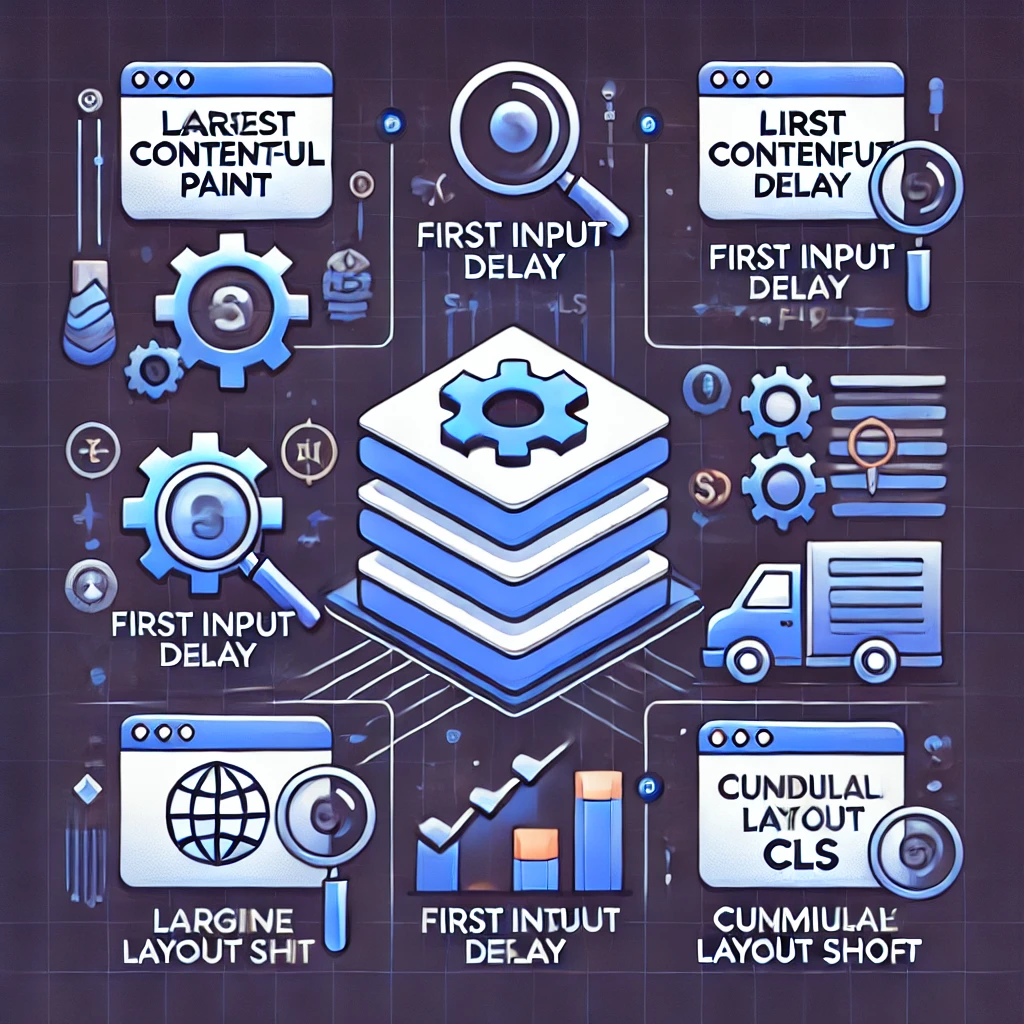
Core Web Vitals are critical performance metrics that Google uses to measure user experience. These include:

  • Largest Contentful Paint (LCP): Measures loading performance. Aim for 2.5 seconds or faster.
  • First Input Delay (FID): Measures interactivity. Aim for less than 100 milliseconds.
  • Cumulative Layout Shift (CLS): Measures visual stability. Aim for a score of less than 0.1.

Use Google Search Console to track and optimize these metrics.


9. Canonicalization and Duplicate Content

Duplicate content can confuse search engines and negatively affect rankings. Use the rel=canonical tag to indicate the preferred version of a page if duplicate content exists.

The Ultimate Guide to Digital Marketing for Beginners in 2024″

Introduction

Digital marketing is rapidly evolving, making it essential for businesses to stay updated with the latest trends, tools, and strategies. Whether you’re a small business owner, an aspiring marketer, or someone just curious about how digital marketing works, this guide will walk you through the basics, providing the knowledge you need to build an effective digital marketing strategy for 2024.


What is Digital Marketing?

Digital marketing refers to the promotion of products or services using digital technologies, primarily through the internet but also including mobile phones, display advertising, and any other digital medium. Unlike traditional marketing methods, digital marketing allows businesses to reach a global audience in a cost-effective and measurable way.

Key Components of Digital Marketing:

  • Search Engine Optimization (SEO): Optimizing your content to rank higher on search engines like Google.
  • Content Marketing: Creating valuable content to attract and engage an audience.
  • Social Media Marketing: Promoting your brand through platforms like Facebook, Instagram, LinkedIn, and Twitter.
  • Pay-Per-Click Advertising (PPC): Running ads where advertisers pay each time their ad is clicked.
  • Email Marketing: Communicating with your audience through personalized email campaigns.
  • Affiliate Marketing: Promoting other businesses’ products for a commission.
  • Influencer Marketing: Collaborating with influencers to reach a wider audience.

Why is Digital Marketing Important?

In today’s world, consumers rely heavily on digital channels to find products and services. Digital marketing helps businesses:

  • Reach a larger audience than traditional methods like print ads or TV commercials.
  • Target specific demographics based on interests, location, age, and more.
  • Measure success in real time with analytics tools that provide data on user behavior, traffic, and conversions.
  • Cost-effectiveness, as online campaigns often require less investment than traditional marketing.
  • Build lasting relationships with customers through email marketing, social media, and valuable content.

Digital Marketing Strategies for 2024

To stay competitive, here are the top digital marketing strategies you should focus on in 2024:

1. Content Marketing for Voice Search: With the rise of voice search assistants like Alexa and Google Assistant, optimizing your content for voice queries is crucial. Create conversational, long-tail keyword content to increase your chances of being featured in voice search results.

2. Video Marketing Domination: By 2024, video is expected to account for more than 80% of all internet traffic. Use platforms like YouTube, Instagram Reels, and TikTok to engage your audience. Also, consider live-streaming content for a more interactive experience.

3. Personalization and AI-driven Campaigns: Artificial intelligence (AI) is transforming how businesses approach personalization. Using AI tools, you can analyze customer data to deliver tailored ads, personalized product recommendations, and unique user experiences that improve conversions.

4. Focus on Local SEO: Local SEO is vital for businesses with a physical presence. Google My Business is one of the top tools to ensure local customers can find your business. Ensure your name, address, and phone number (NAP) are consistent across platforms and encourage customer reviews.

5. Interactive Content: Content like quizzes, polls, and interactive videos encourages user engagement. Interactive content not only helps with engagement but also collects valuable data about your audience’s preferences.


SEO Best Practices for 2024

To ensure your digital marketing strategy is effective, you need to focus on SEO best practices:

1. Mobile Optimization: More than 50% of global web traffic comes from mobile devices. Your website must be responsive, load quickly on mobile devices, and provide a seamless user experience.

2. E-A-T: Expertise, Authoritativeness, and Trustworthiness: Google emphasizes content quality with its E-A-T principle. Make sure your content is informative, well-researched, and includes reputable sources. Building backlinks from authoritative websites also boosts your site’s credibility.

3. Featured Snippets and Zero-Click Searches: Optimize your content for featured snippets (the content box at the top of some search results) by providing clear, concise answers to commonly searched questions. This improves your chances of ranking at the top without users having to click through.

4. Structured Data: Implement structured data (also known as schema markup) to help search engines understand the content on your website better. This can enhance your appearance in search results with rich snippets, improving your CTR (click-through rate).


The Role of Social Media in Digital Marketing

Social media platforms continue to evolve as powerful marketing tools. Here’s how businesses should approach social media in 2024:

  • Instagram and TikTok for Younger Audiences: These platforms remain dominant for brands targeting millennials and Gen Z. Focus on visually appealing content and user-generated content.
  • LinkedIn for B2B Marketing: LinkedIn is the top platform for business-to-business marketing, offering targeted advertising and networking opportunities.
  • Facebook for Targeted Ads: Despite competition, Facebook’s advertising platform remains one of the most powerful for highly targeted ad campaigns.

Pro Tip: Keep an eye on emerging platforms like Clubhouse and Threads. They might not be mainstream yet, but early adoption can give you a competitive edge.


Email Marketing: Still Relevant in 2024

Email marketing remains one of the most cost-effective forms of digital marketing. In 2024, successful email marketing strategies will be:

  • Personalized and segmented: Use data to segment your audience and send tailored messages.
  • Mobile-friendly: Most users check emails on their phones, so ensure your emails are mobile-optimized.
  • Interactive elements: Include polls, quizzes, or videos in your emails to boost engagement rates.

Measuring Success: Key Digital Marketing Metrics

To gauge the success of your digital marketing efforts, focus on the following key metrics:

  • Website traffic: Track how much traffic your campaigns are driving to your site.
  • Conversion rate: Measure how many visitors are completing desired actions (e.g., purchases, sign-ups).
  • Customer acquisition cost (CAC): Understand how much it costs to acquire a new customer through various marketing efforts.
  • Return on investment (ROI): Track whether your digital marketing campaigns are bringing in more revenue than they cost.